
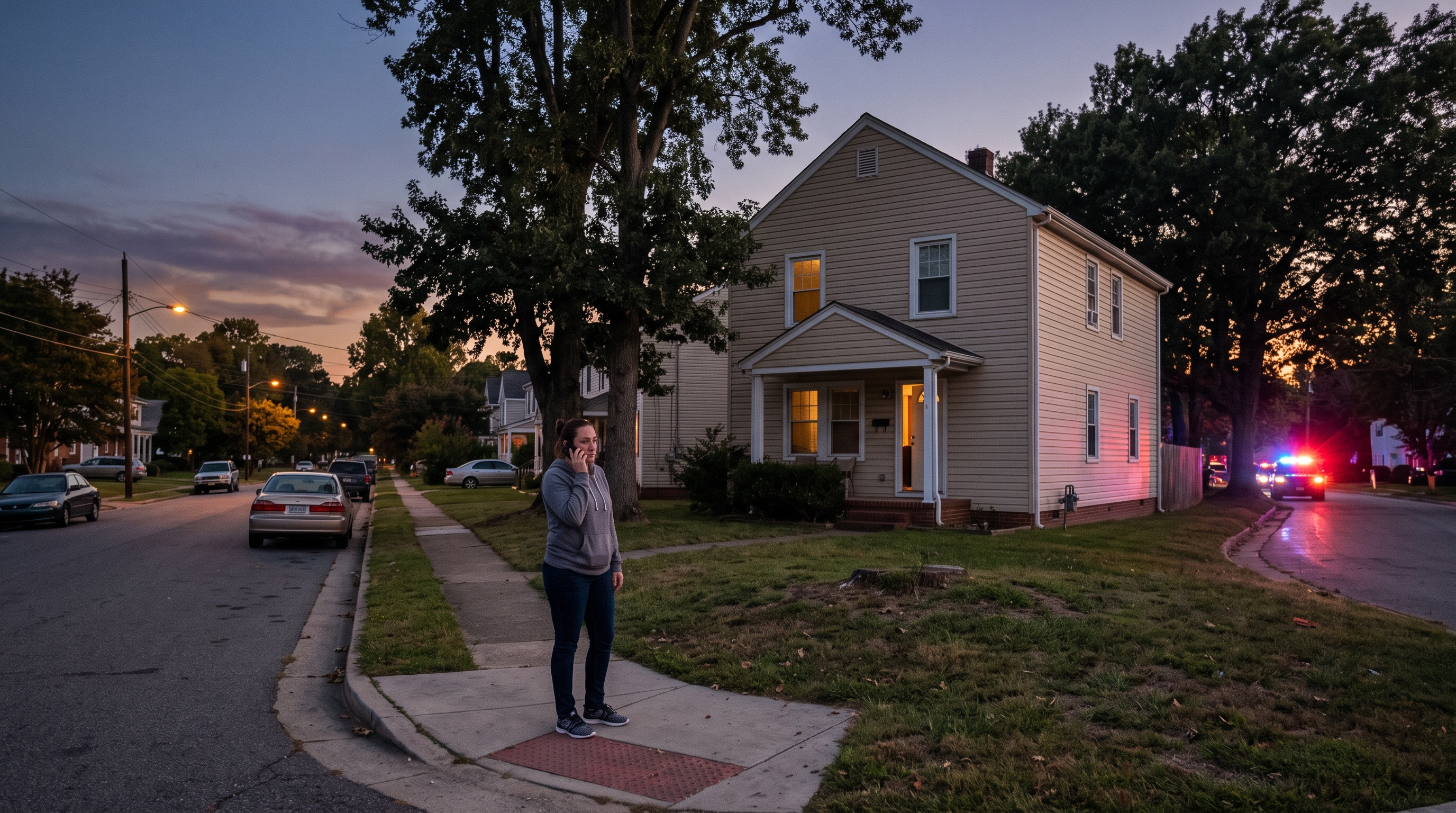
At PMI James River, a rental emergency is a situation where serious harm is actively at stake and the problem cannot safely wait until normal working hours. That generally means an immediate threat to life or safety, a home that cannot be secured, or major property damage that is happening now and cannot be safely contained.
For PMI James River residents in the Richmond Metro, use the guidance below when a true emergency occurs.
PMI James River Emergency Maintenance
804-916-5153
Select Option 3, then Option 1.
If your call is not answered live, please leave a voicemail with your name, property address, callback number, and a brief description of what is happening. Emergency voicemails are monitored and reviewed so we can assess the situation and route the appropriate on-call response.
If there is an immediate threat to life or safety, call 911 first.
What Makes a Maintenance Issue an Emergency?
A true emergency generally has both of these features:
- Something serious is at stake right now. There is an immediate risk to life or safety, the home cannot be secured, or significant property damage is actively occurring.
- The situation cannot be safely held in check. There is no simple, safe action that will contain the problem until the appropriate response can arrive.
If a problem can be safely contained and can wait until working hours without creating a serious safety or property risk, it may still need prompt attention, but it is not an after-hours emergency.
For example, water that is actively flooding a home and cannot be shut off is an emergency. A leak that stops after you safely close an accessible fixture shutoff may still need prompt attention, but the immediate emergency has been contained.
Common Rental Emergencies
Examples of conditions that may require emergency response include:
- Smoke, fire, or another indication of an active fire hazard.
- A gas odor or suspected gas leak.
- A carbon monoxide alarm sounding its CO warning pattern.
- Active flooding or sewage entering the home that cannot be safely stopped or contained.
- Sparking, exposed live wiring, a burning electrical odor, or another serious electrical hazard.
- Severe structural damage or an apparent risk of collapse.
- A burglary or break-in that leaves the home unable to be secured.
Know Your Smoke and Carbon Monoxide Alarm Signals
Not every beep or chirp from an alarm means the same thing. On many common U.S. smoke and carbon monoxide alarms:
- 3 beeps, pause, repeating is the smoke or fire warning pattern.
- 4 beeps, pause, repeating is the carbon monoxide warning pattern.
- An isolated chirp every so often is generally a maintenance signal, such as a low battery, end of device life, or a fault. The exact chirp codes vary by model.
Use the TEST button during normal monthly testing and pay attention to what the alarm sounds like. The test is useful not only for confirming that the alarm works, but also for helping you recognize its emergency warning pattern before you ever need to hear it for real. Check the instructions for the specific alarms in your home because models can differ.
Smoke alarms: Cooking smoke or heavy shower steam can sometimes trigger a nuisance alarm even though there is no fire. If the cause is obvious and there are no other signs of fire, use the alarm's hush feature and clear the smoke or steam from the area. Do not remove the battery or disable the alarm. Our Smoke Alarm Problems guide explains the common signals and what to do next.
Carbon monoxide alarms: A repeating CO warning pattern is different from a periodic maintenance chirp. If your alarm is sounding its CO warning pattern, move outside to fresh air and call 911. Our Carbon Monoxide Alarm Problems guide explains the warning, maintenance, battery, and end-of-life signals in more detail.
What Should You Do During an Emergency?
- Protect people first. If there is an immediate threat to life or safety, move to a safe location and call 911. Examples include an actual fire, a suspected gas leak, a carbon monoxide warning, a crime in progress, or a medical emergency.
- Contain property damage only if you can do so safely. For a water emergency, close the nearest fixture shutoff or the main water valve if it is safely accessible. For an electrical hazard, turn off the affected breaker only if you can reach it safely. Never cross standing water to reach an electrical panel. If you smell gas, leave immediately and do not operate switches, appliances, or other devices that could create a spark.
- Notify PMI James River. Call 804-916-5153, select Option 3, then Option 1. If your call routes to voicemail, leave your name, property address, callback number, and a brief description of the emergency. Emergency messages are monitored and reviewed for the appropriate response.
- Follow emergency responder instructions. If emergency personnel tell you to remain outside, leave a utility off, or take another safety step, follow their direction.
- Document the follow-up when requested. Once the immediate situation is stable, we may ask you to submit a maintenance request through the Resident Portal so any permanent repair and follow-up work can be tracked.
What Is Not an Emergency?
Important maintenance problems do not always require an after-hours emergency response. The following issues, by themselves, generally do not qualify:
- A minor leak that is safely contained.
- No hot water.
- No running water when there is no separate immediate safety hazard.
- An appliance failure.
- Loss of heat or air conditioning by itself. Report the problem promptly through the Resident Portal. If there is a separate emergency condition such as a gas odor, smoke, sparking, or a burning electrical odor, follow the emergency instructions for that hazard.
- Loss of lighting or electrical service without smoke, sparking, a burning odor, or another active electrical hazard.
- A slow drain, leaking faucet, or clogged toilet that is not overflowing.
- A smoke or carbon monoxide alarm giving a maintenance chirp such as a low-battery, end-of-life, or fault signal.
- Routine pest problems.
Not an emergency?
Submit the issue through your Resident Portal. If an urgent issue is not acknowledged within three business hours during business hours, you may then call our office for further assistance.
If you are unsure how a maintenance issue should be classified, report what is actually happening: what you see, hear, or smell, whether damage is continuing, and whether you were able to safely contain it. We will assess the situation and determine the appropriate response.
For a deeper explanation of how we distinguish emergencies from urgent and routine maintenance, see our emergency, urgent, and routine maintenance guide. For broader troubleshooting and maintenance help, use the PMI James River Resident Maintenance page.
Published: August 31, 2026