
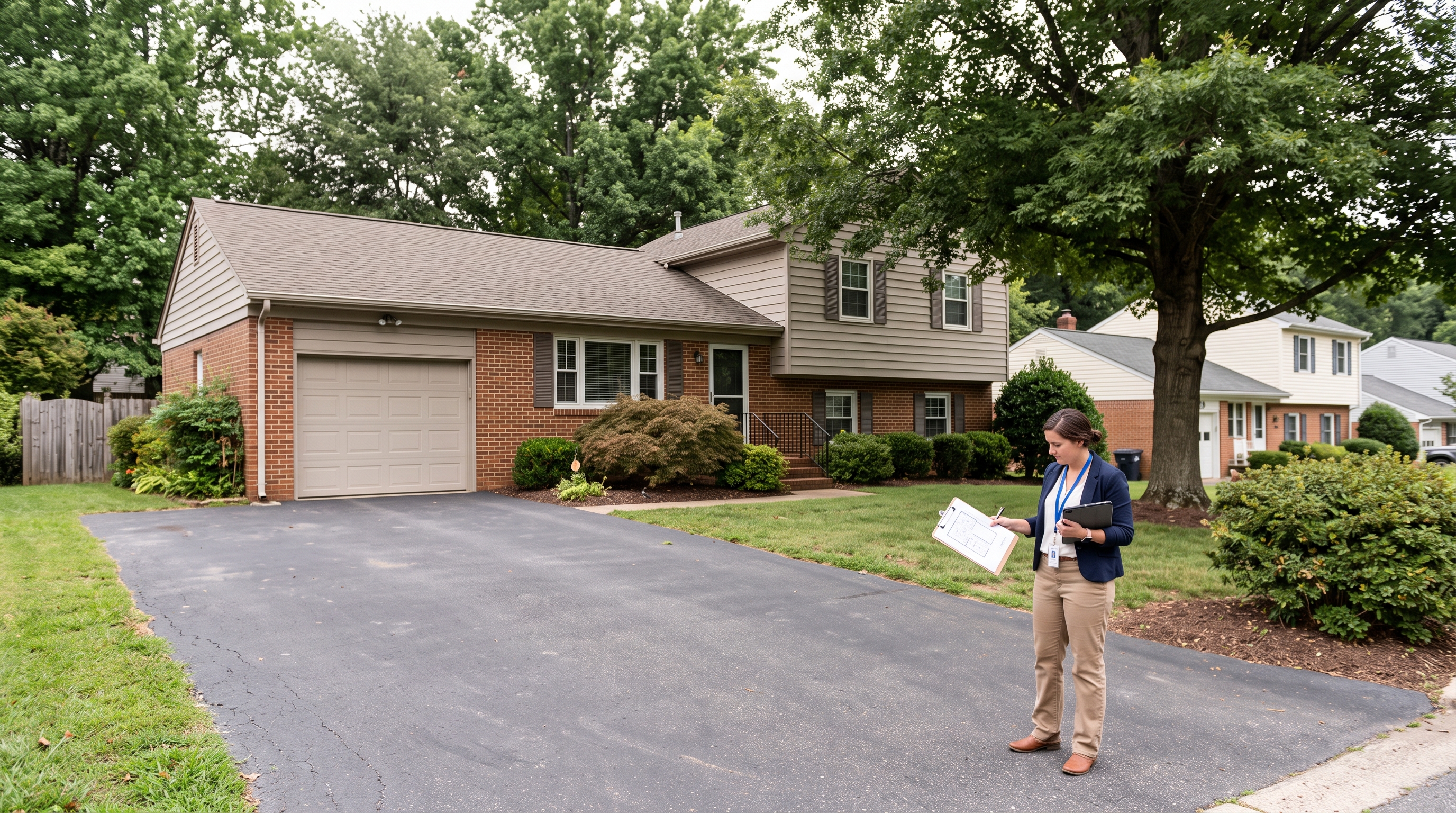
Henrico County rental owners operate under Virginia landlord-tenant law, but the County also controls important property-level questions through zoning, permits, inspections, and local enforcement. PMI James River's owner resources address the practical operation of rental property, while our Virginia landlord-tenant law guide covers the broader statewide legal framework.
For local compliance, the property address controls. An owner in Short Pump, Glen Allen, Lakeside, or another Henrico market should still begin with Henrico County zoning and permitting rather than treating the neighborhood name as a separate legal jurisdiction.
Key Takeaways
- Henrico zoning is governed primarily through Chapter 24 of the County Code.
- Build Henrico and the Permit Center are central to many property changes and approvals.
- Short-term rentals follow a separate County approval and registration process.
- Henrico has designated residential rental-inspection districts, but the program is not a blanket countywide requirement.
- Owners should verify current zoning and approvals before assuming an existing or proposed property use is legal.
In This Guide
Start With Henrico's Current Zoning
Henrico's Zoning Ordinance is contained in Chapter 24 of the County Code. The County's zoning districts and uses resources explain the basic district structure, while the current ordinance controls the actual rules.
Henrico amended its zoning and subdivision ordinances in July 2026 as part of implementing the County's updated comprehensive plan and aligning the code with other changes. Owners should therefore use the current ordinance rather than relying on an old zoning summary or a use that was acceptable under a prior version.
Every Henrico property has a zoning classification. If an owner wants to change how the property is used, add density, create another unit, or undertake work that may affect setbacks or other zoning requirements, the current parcel classification is the starting point.
The broader Richmond local rental-code guide explains how Henrico fits into the metro-wide system.
Permits and Build Henrico
The County's Permit Center is the starting point for many residential projects, and the Build Henrico portal handles online permitting and related applications.
For a rental owner, permit review becomes particularly important when a property has been altered, an accessory structure is being added, space is being converted, or the acquisition depends on a renovation plan. A physical improvement being present does not by itself establish that it was approved.
Before underwriting the value of an addition, finished space, extra kitchen, converted garage, or other material change, compare what exists at the property with available permit and zoning records.
Henrico Short-Term Rentals Follow a Separate Process
Henrico treats short-term rental use separately from an ordinary long-term tenancy. The County's current short-term-rental process involves zoning approval, a change-of-use request through Build Henrico, and registration.
Whether a particular property qualifies can depend on zoning, how the stay is operated, and other property-specific conditions. An owner should therefore verify eligibility before buying or furnishing a property around a short-term-rental revenue assumption.
Henrico Has Rental-Inspection Districts, but Not a Blanket Countywide Program
Henrico is one of the Richmond-area jurisdictions where the rental-inspection question can materially change by address. The County has established designated rental-inspection districts, including Glenwood Farms and St. Luke Apartments.
That does not mean every Henrico rental is subject to recurring municipal rental inspections. Our Richmond Metro rental-inspection guide explains the current district structure and the Virginia law governing local inspection programs.
Owners acquiring a property in or near a designated program area should verify the exact address, inspection history, current exemption status, and any outstanding requirements rather than relying on a general statement that "Henrico has rental inspections."
Code Enforcement Still Matters Outside an Inspection District
A property does not need to be inside a rental-inspection district for permits, unsafe-condition enforcement, property-maintenance requirements, or zoning enforcement to matter. Rental-inspection programs are only one part of the County's broader code system.
That distinction is useful for single-family rental owners. Even when a specialized inspection district does not apply, unpermitted work, unsafe conditions, or an unlawful use can still create a County issue.
Henrico Owner Checklist
- Confirm the exact Henrico parcel and current zoning classification.
- Check the intended rental use against the current Chapter 24 requirements.
- Review permit history when existing improvements or planned work make it relevant.
- Use Build Henrico or the Permit Center before beginning work that may require approval.
- Verify short-term-rental eligibility before relying on that operating model.
- Check whether the property is subject to a rental-inspection district or property-specific inspection requirement.
The Bottom Line
Henrico rental compliance is property-specific. Zoning, permits, short-term-rental rules, inspection districts, and code enforcement each answer different questions.
Owners are better served by verifying the address and proposed use first, then following the correct County process, rather than assuming that a rule applying to one Henrico rental applies to every rental in the county.
Owners who want that verification tied into ongoing maintenance, documentation, and vendor coordination can use PMI James River to manage the property as one operating system rather than a series of disconnected compliance tasks.
Published: October 7, 2026