
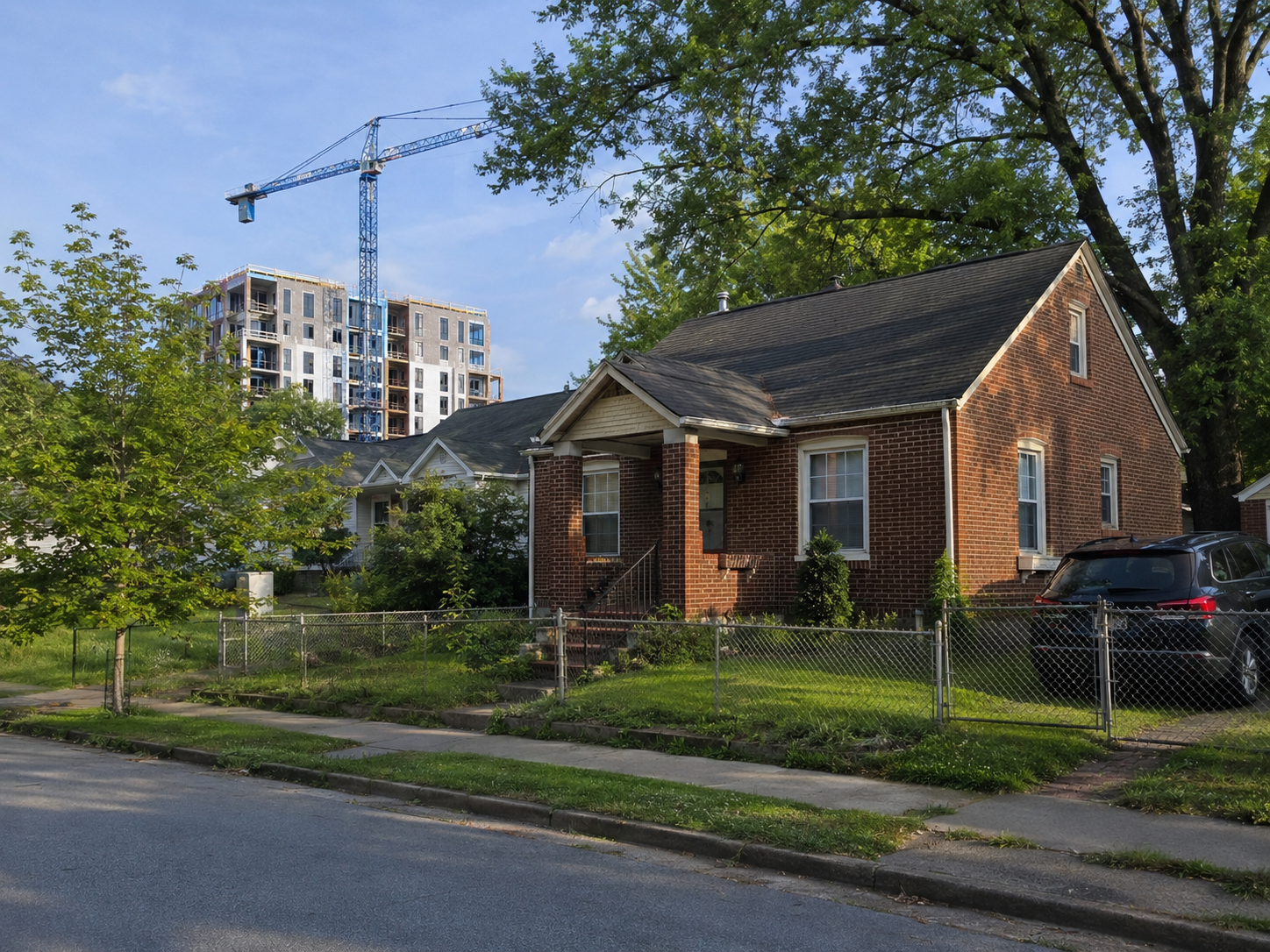
Richmond is not one uniform rental market. A broad report can show rent growth across the region while a particular home faces stronger competition from nearby listings, new apartments, concessions, or a cluster of similar properties coming available at the same time.
That local competitive pressure matters because a rental leases against the choices a prospective resident can make now. A house in Richmond City, a Henrico townhome, and a Chesterfield single-family rental can sit inside the same metro-level data while facing very different alternatives at the property level.
PMI James River treats local competition as part of a complete Richmond rental marketing strategy. The broader Richmond rental analysis framework establishes a supportable rent range; submarket pressure helps determine where a particular property fits inside that range and how quickly the owner should react when the market disagrees.
Key Takeaways
- Richmond-wide rent averages are useful context, but they are not property-level pricing instructions.
- Submarket pressure comes from the actual alternatives a renter can choose: nearby listings, property type, condition, concessions, timing, and price band.
- New apartment supply can affect single-family rentals even when the products are different because it changes renter expectations and the number of available choices.
- Weak leasing activity should trigger diagnosis before an automatic price cut.
- Owners should decide review triggers before launch and keep screening standards consistent even when vacancy becomes expensive.
In This Guide
- What Submarket Pressure Means
- Why Richmond Averages Can Mislead
- Where Local Pressure Shows Up First
- How Apartment Supply Changes the Competition
- How Owners Should Respond
- What PMI James River Watches
What Submarket Pressure Means
Submarket pressure is the local leasing pressure around a specific rental property. It comes from the homes and apartments a prospective resident can realistically choose instead, not from one Richmond Metro average.
The relevant competitive set can change quickly. A townhome may suddenly face several similar listings at the same rent. A single-family home may compete with a newer apartment community offering a concession and immediate move-in. Another property may have very few close substitutes and enough qualified interest to support a firmer asking rent.
This is why property type and geography are only the starting point. The owner also needs to compare condition, parking, layout, utilities, pet policy, move-in timing, lease terms, presentation, and the current asking prices of realistic alternatives.
Why Richmond Averages Can Mislead
Current data shows how easily a broad market label can oversimplify Richmond. Zillow's Richmond rental page, updated August 20, 2026, reported an average rent of $1,695 across all bedrooms and property types, up $45 from a year earlier. The same page classified Richmond's rental market temperature as cool based on renter demand relative to the national average.
Those facts can coexist. An average rent can rise while renters have more choices or take longer to commit. More importantly, an all-property average blends apartments, townhomes, and houses across different locations and price bands. It does not tell an owner what one specific property should rent for.
A useful rental analysis therefore moves one level below the headline. What similar properties are available now? How long have they been listed? Have they reduced price or added concessions? Does the subject property offer enough value to compete at the same rent?
This is also why owners should avoid using a mortgage payment, a prior lease, or the highest active listing as proof of market rent. PMI James River's guide to common Richmond rental pricing myths addresses those shortcuts directly.
Where Local Pressure Shows Up First
Submarket pressure usually appears in the leasing funnel before it appears in a market report. PMI James River watches how prospects move from seeing the listing to inquiring, showing, applying, and qualifying.
Common signals include:
- Very few qualified inquiries. The asking rent, presentation, exposure, timing, or overall value may not compare well with nearby alternatives.
- Inquiries but few completed showings. Access, response time, scheduling, or another process issue may be interfering before price can be judged.
- Showings but few applications. Prospects are seeing the home and choosing something else. Price, condition, layout, restrictions, or terms move higher on the list of possible causes.
- Repeated value objections. Several prospects may be independently identifying the same disadvantage against competing rentals.
- Competitors reducing rent or adding concessions. The local competitive set may have moved even if the broader Richmond numbers have not.
Prospects often compare several rentals over a short period. Small issues that an owner has learned to live with can become reasons a prospect chooses another property. That does not mean every weak week requires a price cut. It means the owner should know when a rent reduction is actually warranted and when the evidence still supports holding.
How Apartment Supply Changes the Competition
Single-family owners do not compete directly with every new apartment, but apartment supply still matters. A newer community can offer polished photos, immediate availability, online leasing, amenities, and concessions. Those features change what renters see before they ever tour a house.
The Richmond supply story is active but not one-directional. Virginia REALTORS® reported that 3,084 multifamily units were delivered statewide in the second quarter of 2026, 37% more than a year earlier, and that Richmond and Northern Virginia held the largest shares of new multifamily construction in Virginia.
At the same time, Cushman & Wakefield reported that Richmond multifamily vacancy ended Q2 2026 down 10 basis points both year over year and quarter over quarter because net absorption continued to keep pace with deliveries.
That combination is exactly why owners should avoid a simple "too much supply" or "strong demand" conclusion. New units can create real pressure in one competitive pocket while demand keeps another segment firm. A house with more space, parking, or outdoor use may still justify a different position from a nearby apartment, but the apartment can influence the renter's expectations for presentation, responsiveness, move-in timing, and total value.
How Owners Should Respond
Owners should respond to submarket pressure by identifying what is actually limiting the listing before changing price. A structured review is more useful than reacting to elapsed days alone.
PMI James River uses five practical checks:
- Rebuild the true competitive set. Compare the property with rentals a qualified prospect can choose now, not only leases signed months earlier.
- Separate price from readiness. Unfinished repairs, weak photos, poor cleaning, confusing terms, or a visibly dated feature may reduce conversion even when the rent is close.
- Use predetermined review triggers. Decide before launch what pattern in qualified inquiries, completed showings, applications, competitor changes, or repeated feedback will prompt another review.
- Keep screening consistent. Vacancy pressure is not a reason to improvise qualification standards. A consistent tenant screening process protects the owner while pricing and marketing decisions change around it.
- Compare vacancy with rent ambition. Pursuing a higher rent only improves the result if the added rent is likely to outweigh the extra vacancy required to get it.
For example, on a $2,000-per-month rental, one additional vacant month represents $2,000 in lost rent. A $100 monthly reduction over a 12-month lease represents $1,200. The right decision still depends on the evidence, but the comparison shows why an owner should evaluate the annual result rather than defend the asking rent in isolation.
Pressure also should not lead to rushed leasing. PMI James River's discussion of leasing speed and placement quality explains why faster occupancy only helps when the screening process remains consistent and defensible.
What PMI James River Watches
PMI James River treats submarket pressure as a property-specific operating question. For a Richmond Metro rental, that review normally includes:
- Nearby active listings in a realistic rent band
- Property type and the alternatives prospects are actually touring
- Days on market, visible reductions, and concessions
- Photo quality, condition, and rent-ready presentation
- Move-in availability and lease-start timing
- Inquiry volume, completed showings, qualified applications, and repeated prospect feedback
- Whether the pressure appears seasonal, supply-driven, condition-driven, process-driven, or price-driven
The point is to avoid broad-market shortcuts. A Richmond rental can be correctly priced and still need better presentation. A well-presented property can generate interest but lose prospects on price. A home in a competitive location can still justify a firm rent when the immediate alternatives are weak.
The same logic matters before an acquisition. An optimistic rent estimate is not enough if the property would need unusually favorable conditions to achieve it. Owners evaluating a purchase can use Richmond investment property support to connect the rent analysis with vacancy, turnover, operating costs, and the broader investment plan.
Frequently Asked Questions
Does a rising Richmond rent average mean an owner should raise the rent?
No. Broad rent growth is useful context, but the property still has to be compared with current alternatives, lease timing, condition, resident history at renewal, and the cost of vacancy or turnover.
Is submarket pressure more important for apartments or single-family rentals?
It matters for both. Apartments often compete directly with nearby apartment inventory. Single-family rentals may compete on space, parking, outdoor use, pet policy, condition, utilities, and lease terms. The useful comparison is the set of alternatives a prospective resident can realistically choose in the same price range.
Should an owner lower rent as soon as inquiry volume slows?
No. Slower inquiry volume should trigger a review. The cause may be price, presentation, exposure, season, move-in timing, showing access, restrictions, or changing competition. The owner should change the factor the evidence points to.
Can stronger screening solve submarket pressure?
No. Screening does not create demand or make an unsupported rent competitive. It protects the leasing decision from becoming less disciplined when vacancy feels expensive.
Use Local Competition to Make Better Rent Decisions
Richmond Metro data provides the backdrop. The immediate competitive set determines what a particular rental is facing today.
Owners who track nearby alternatives, leasing-funnel behavior, property condition, timing, and vacancy economics can react earlier without overreacting. Sometimes the evidence supports holding. Sometimes it supports a price change, stronger presentation, or a property improvement. The useful decision is the one tied to what qualified renters are actually choosing.
PMI James River helps rental owners in Richmond City, Henrico, Chesterfield, and Hanover evaluate that pressure through property-specific rental marketing and leasing support and a broader Richmond rental analysis.
Published: May 26, 2026
Updated: August 22, 2026