
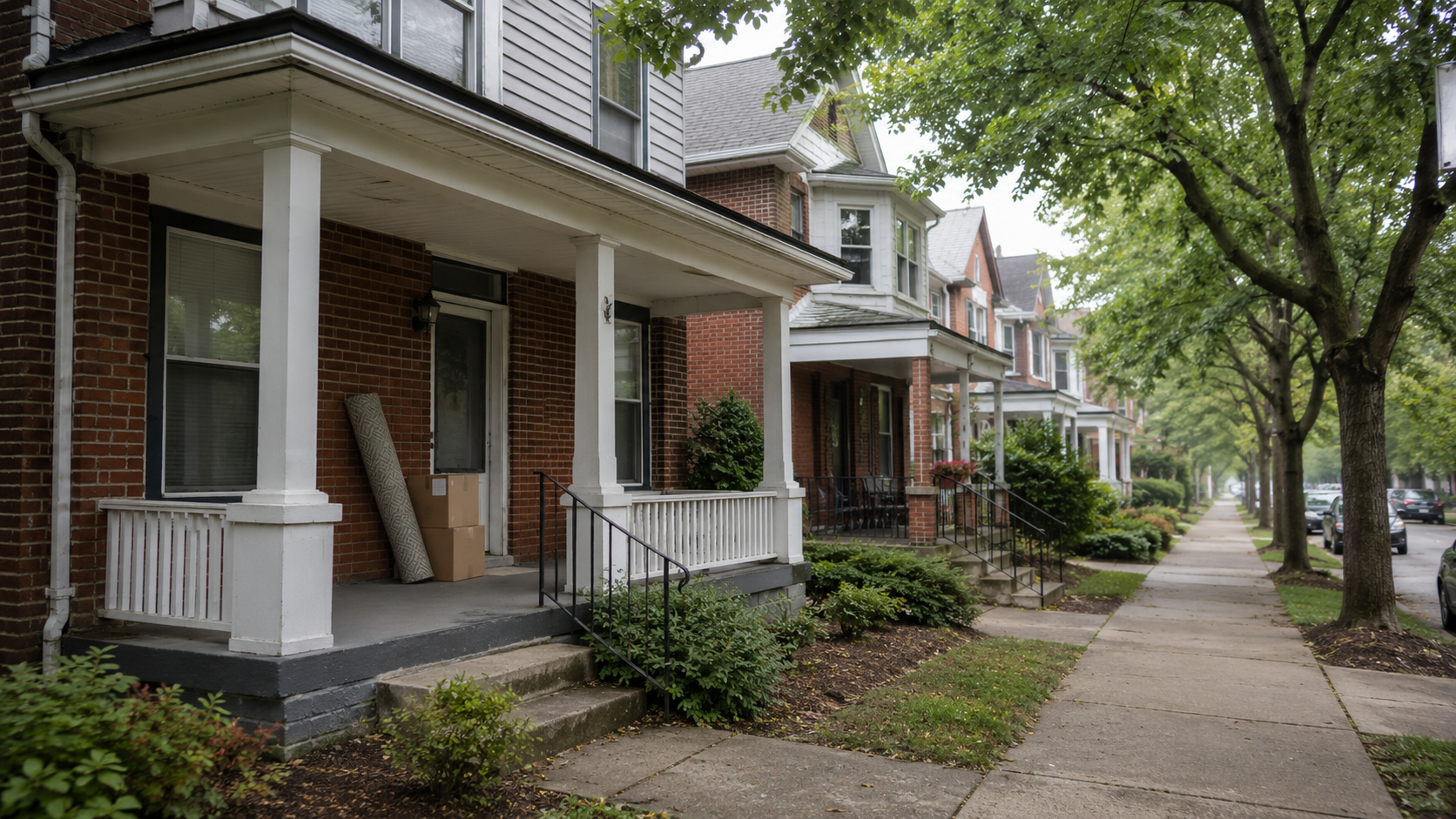
Becoming an accidental landlord in Richmond City can happen quickly. A homeowner relocates, inherits a property, combines households, buys another home, or decides that immediately selling a former residence is not the right move.
Richmond City deserves a specific first-step checklist because rental conversion can involve older housing systems, City property-maintenance enforcement, and a residential rental inspection framework that owners should understand without assuming it applies to every rental. PMI James River's Owner Resources provide the broader operating framework, while the Richmond Metro accidental-landlord guide covers the overall decision to rent, sell, or hold.
This page focuses on what changes when the former home is inside Richmond City.
Key Takeaways
- Decide whether retaining the property makes sense before spending money on leasing.
- Richmond property-maintenance enforcement reaches the building and exterior site, not only the interior living space.
- The City's 2025 rental-inspection ordinance created a framework for designated districts, not a citywide inspection mandate.
- Older housing systems make a detailed starting-condition record especially valuable.
- PMI James River generally recommends professional management rather than making a former home another job for the owner.
Decide Whether the Richmond City Property Should Be Retained
Estimate the supportable rent and likely leasing time, then account for mortgage payments, taxes, landlord insurance, maintenance, vacancy, turnover, reserves, and foreseeable capital work. Compare those holding costs with likely net sale proceeds and the equity that would become available.
Decision rule: Compare the cost of holding with the cost of exiting. Monthly cash flow is one part of the decision, not the entire investment result.
Richmond City housing is too varied for a broad rent estimate to answer the question by itself. A newer townhome and an older attached or detached home may have very different maintenance histories, exterior responsibilities, insurance considerations, and capital needs.
Review the Building and the Site, Not Just the Living Space
Richmond's Property Maintenance and Code Enforcement process can include the building, garages and sheds, yards, sidewalks, and alleys. The City's guidance also specifically addresses structural condition and items such as stairways, porches, decks, balconies, handrails, and guardrails.
That matters when a former home is becoming a rental. Owner occupancy can make small exterior or structural issues easy to normalize. Rental conversion is the time to inspect the property as it actually exists, document known conditions, and address defects that should not be handed to a resident.
Virginia Code § 55.1-1220 separately requires landlords to comply with applicable health and safety codes, make necessary repairs, keep premises fit and habitable, and maintain supplied systems in good and safe working order.
Understand What Richmond's Rental Inspection Program Actually Does
Richmond City Council adopted its Residential Rental Inspection Program framework in November 2025. The ordinance created the rules for establishing rental inspection districts, but it did not itself designate a district and specifically states that it does not authorize a citywide rental inspection district.
It also states that a rental inspection district cannot include a building containing fewer than three dwelling units. That makes the current program much more relevant to owners of triplexes and larger multifamily buildings than to someone converting a typical single-family former home or duplex.
The full process, including district creation, inspections, exemptions, and fees, is covered in Richmond City Rental Inspection Program: What Landlords Need to Know.
An accidental landlord should understand the program, but should not let the existence of the ordinance distract from the more immediate task: get the property into a documented, well-maintained rental condition before resident possession.
Build a Strong Starting Record for an Older Home
Richmond City's housing stock makes the initial condition file especially useful. An owner should know the age and recent service history of the roof, HVAC, water heater, electrical system, plumbing, windows, appliances, exterior structures, gutters, drainage, and other major components before the first lease begins.
The objective is not to replace every older component. It is to distinguish a functioning older system from a defect that needs attention and to know what the property looked like when rental operations began.
Gather keys, remotes, access codes, warranties, manuals, contractor records, utility information, insurance documents, and condition photographs. Remove owner-only property and personal records. Resolve known issues that would create avoidable maintenance or documentation problems after move-in.
Keep Ownership and Daily Management Separate
An accidental landlord already has significant decisions to make about whether to retain the property, how it should be funded, and when major work is justified. The owner does not also need to personally become the leasing coordinator, maintenance dispatcher, bookkeeper, resident contact, and compliance calendar.
PMI James River generally recommends professional management. It gives the owner an operating structure for screening, leasing, maintenance, resident communication, accounting, documentation, vendor coordination, and deadlines while preserving owner control over the major investment decisions.
PMI James River provides full-service property management in Richmond for owners who want that separation.
Frequently Asked Questions
Does Every Richmond City Rental Need a City Rental Inspection?
No. The 2025 ordinance created a framework for separately designated rental inspection districts and specifically prohibits a citywide rental inspection district. The ordinance also excludes buildings containing fewer than three dwelling units from those districts.
What Should an Owner Check on an Older Richmond City Home?
Review the major building systems, roof, windows, exterior structures, drainage, access, appliances, documented maintenance history, and any known conditions the owner may have learned to live around.
Should a Richmond City Accidental Landlord Self-Manage?
PMI James River generally recommends professional management. The property still requires complete leasing, maintenance, accounting, documentation, resident-communication, and compliance systems regardless of whether there is only one rental.
Build the Rental Around the Property's Actual Condition
A Richmond City home can become a valuable long-term rental without losing the character that made it a home. The owner should make the hold-or-sell decision deliberately, understand the City requirements that actually apply, document condition carefully, and put a reliable operating system behind the asset.
A free rental analysis from PMI James River can help establish the rent and condition starting point.
Published: August 23, 2026