
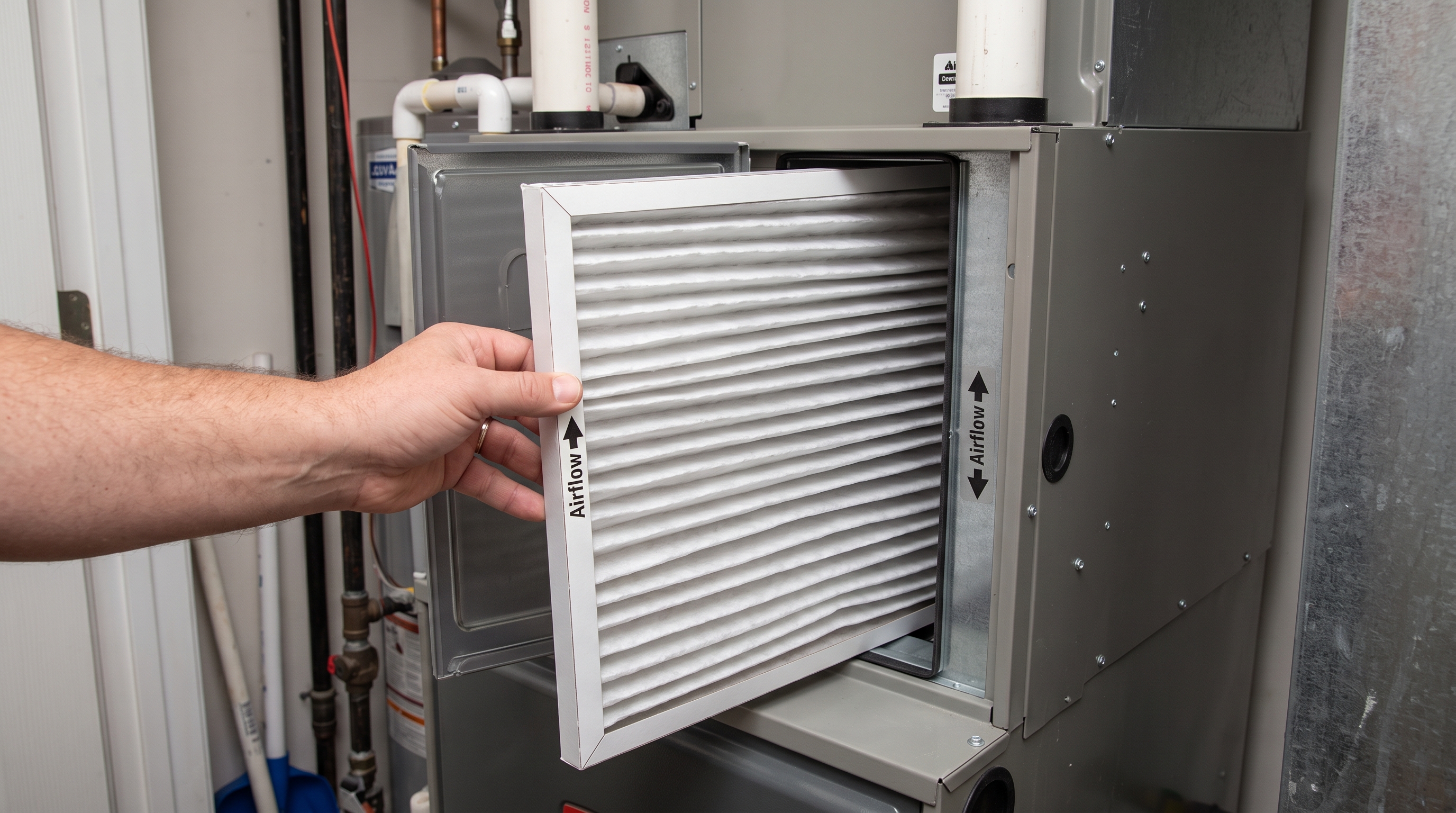
Routine HVAC care in a Richmond rental is mostly about two things: keeping the correct filter in place and keeping accessible supply vents and return-air paths clear. Those simple steps help the system move air normally without turning the resident into an HVAC technician.
If your system is not heating, not cooling, freezing up, leaking water, making an unusual noise, or still has weak airflow after normal filter and vent care, use the PMI James River Troubleshooting library instead.
Check the Filter Before You Replace It
HVAC filter locations vary. Some systems use a filter at the indoor equipment. Others use a filter behind an accessible return-air grille, and some homes may have more than one filter location.
Use the filter size and type already specified for the system or provided in your property instructions. Do not improvise a different size because it looks close enough, and do not open equipment service panels to search for a filter.
ENERGY STAR recommends checking HVAC filters regularly, with more frequent attention when the system runs heavily or conditions make the filter dirty faster.
How to Replace an Accessible HVAC Filter
- Set the thermostat so the HVAC system is not actively running while you change the filter.
- Open only the normal user-accessible filter grille or filter slot.
- Note the size printed on the existing filter and the direction of its airflow arrow before removing it.
- Install the correct replacement filter so the airflow arrow points in the direction air travels toward the HVAC equipment.
- Make sure the filter sits squarely in its normal position and close the grille or access cover.
- Return the thermostat to its normal setting.
If the filter does not fit normally, the replacement seems different from what was installed, or reaching the filter would require entering an attic, crawlspace, unsafe height, or equipment service compartment, stop and use the maintenance process instead.
Keep Supply Vents and Returns Clear
Keep accessible supply registers and return-air grilles reasonably clear of furniture, rugs, boxes, curtains, and other household items that block airflow.
You do not need to remove grilles, open ductwork, or investigate inside the system. Routine care is about keeping the normal air path open from the room.
If some rooms still receive little or no airflow after the filter and visible vents are clear, use the HVAC Airflow & Filter Problems guide.
How Often Should You Check the Filter?
Follow the schedule in your lease, property instructions, filter-delivery program, or equipment guidance when one is provided. Filter life changes with filter type, system use, pets, dust, renovation activity, and other household conditions, so the condition of the actual filter matters.
A filter that becomes unusually dirty very quickly can also be useful information if you later need to report an airflow or HVAC concern.
When Filter Care Is No Longer the Job
Move from routine Systems Care to troubleshooting when the system is no longer operating normally. Examples include weak airflow that continues with a clean filter, no heating or cooling, ice or frost, water around indoor HVAC equipment, repeated cycling, or an unusual noise or odor.
Return to Systems Care for other routine household care guides. If the HVAC concern needs maintenance after the appropriate safe checks, submit a maintenance request through the resident portal.
Published: September 2, 2026