
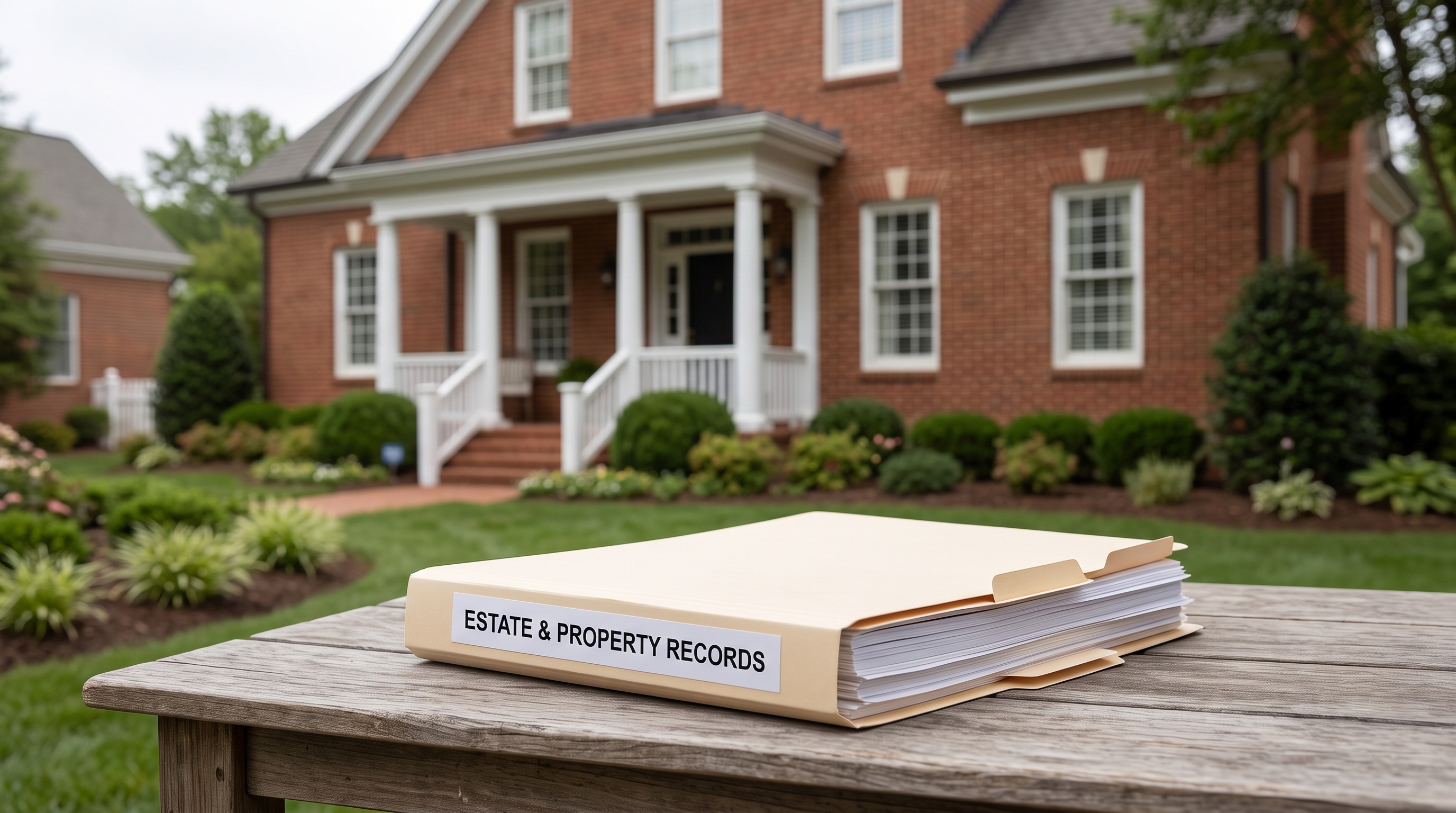
Inheriting a Richmond rental from another state creates an ownership problem and an operating problem at the same time. Before deciding whether to keep the property, sell it, change the lease, replace the manager, or begin repairs, the new owner or estate representative first needs to establish who has authority to act and what is already happening at the property.
PMI James River's Owner Resources help organize the property-management side of that transition. The broader Richmond out-of-state landlord guide explains the ongoing remote-ownership system if the property will remain a rental.
Key Takeaways
- Confirm who has legal authority to act before changing management, directing funds, or making major property decisions.
- Determine whether the property is occupied, vacant, professionally managed, self-managed, or already in a problem situation.
- Gather the lease, ledger, deposit records, keys, inspection records, maintenance history, insurance information, and existing management agreement before rebuilding systems from scratch.
- Stabilize the existing rental first. The long-term keep-or-sell decision is easier once the property and records are understood.
First Confirm Who Has Authority To Act
Do not assume that the family member who expects to inherit the property can immediately give operational instructions on behalf of the estate.
Virginia law distinguishes between being named as executor and being legally qualified to exercise the executor's powers. Virginia Code § 64.2-511 provides that a person named as executor generally cannot exercise executor powers before qualification, apart from limited actions such as preserving the estate from waste and handling specified funeral matters.
The exact authority over the real estate can depend on the will, how title passes, the estate administration, and who has qualified. The practical property-management rule is simpler: establish the person legally authorized to direct the property before changing payment instructions, terminating management, entering contracts, or making other material decisions.
That protects everyone involved, including the residents, existing manager, vendors, estate, and eventual owner.
Find Out What Is Already Operating
An inherited "rental property" can mean very different things.
The home may be:
- occupied under a current written lease;
- occupied month to month;
- professionally managed under an existing property management agreement;
- self-managed with records scattered across personal accounts;
- vacant between residents;
- vacant because leasing stopped; or
- occupied by a resident with unresolved payment, maintenance, or lease issues.
Before changing anything, collect the existing operating file. At minimum, look for the lease and amendments, resident ledger, security-deposit records, inspection reports, keys and access devices, current rent amount, payment history, maintenance records, warranties, open work orders, association information, insurance, tax records, and any existing property management agreement.
If a professional manager is already involved, obtain a current owner statement and ask for a clear list of unresolved items. The rental property financial-management guide explains the records that help an owner evaluate the property beyond one month's distribution.
Stabilize The Property Before Changing Strategy
An inheritance can create pressure to make a fast decision. Operationally, the better sequence is usually to stabilize first.
For an occupied property, confirm where rent is being paid, whether the lease remains current, how resident communication is being handled, where the security deposit is held, and whether any maintenance or enforcement matters are already open.
For a vacant property, confirm access, utilities, insurance status, physical condition, landscaping, security, and any work already underway. If the home will remain unoccupied while the estate or beneficiaries decide what happens next, a local Home Watch or estate-management plan can provide physical oversight without forcing an immediate leasing decision.
The objective is continuity. Residents should not receive conflicting rent instructions, vendors should not receive competing approvals, and the physical property should not sit unattended simply because ownership is being sorted out.
Then Decide Whether To Hold, Rent, Or Sell
Once authority, occupancy, condition, records, and finances are understood, the strategic decision becomes much clearer.
A beneficiary who lives outside Virginia may decide to keep the property as a long-term rental. Another may prefer to sell and simplify the estate. A third may need time to understand the property's rental economics before choosing.
That decision should consider current market rent, vacancy exposure, required repairs, mortgage or other carrying costs, property condition, available equity, long-term investment objectives, and the cost of selling. PMI James River's existing guide to whether to rent or sell a Richmond property addresses that broader investment choice.
There is no requirement to turn an inheritance into an immediate permanent strategy. Stabilizing the property first can create enough time to make the larger decision from records and numbers rather than from administrative pressure.
If The Property Stays A Rental, Build The Remote System
If the inherited property will remain a rental and the owner lives elsewhere, the same local operating requirements apply as they do to any other remote owner.
The property needs defined access, maintenance response, vendor coverage, repair authority, financial records, leasing and screening processes, inspection procedures, and Virginia compliance.
The owner should also address any nonresident-owner requirements that apply after title and ownership structure are settled. This is especially important if the inherited property has been operating under the deceased owner's information and nobody has yet updated the management, tax, or lease records.
Professional management can be particularly useful in this situation because the new owner did not build the original rental system and may have no local vendor, resident, or property history of their own.
Frequently Asked Questions
What Should I Do First If I Inherit An Occupied Rental?
Confirm who has authority to act, obtain the lease and resident ledger, identify where the security deposit and current rent are held, review any management agreement, and identify open maintenance or resident issues. Preserve continuity before changing the system.
Should I Immediately Change Property Managers After An Inheritance?
Not necessarily. First determine what agreement is in place, how the property is performing, what records and funds the current manager holds, and whether there are unresolved issues. If a change is warranted, it should be planned rather than creating a gap in management.
What If The Inherited Richmond House Is Vacant?
Secure access, confirm utilities and insurance, inspect the condition, identify active maintenance needs, and decide who will monitor the property locally while the ownership or leasing decision is being made.
Stabilize First, Then Make The Investment Decision
An inherited rental can arrive with years of decisions already embedded in the lease, property condition, resident history, finances, and management relationship. Replacing everything immediately can destroy useful continuity before the new owner understands what is working and what is not.
Establish authority, gather the file, protect the property, and understand the current operation. Then decide what the Richmond property should become under its new ownership.
Published: September 2, 2026