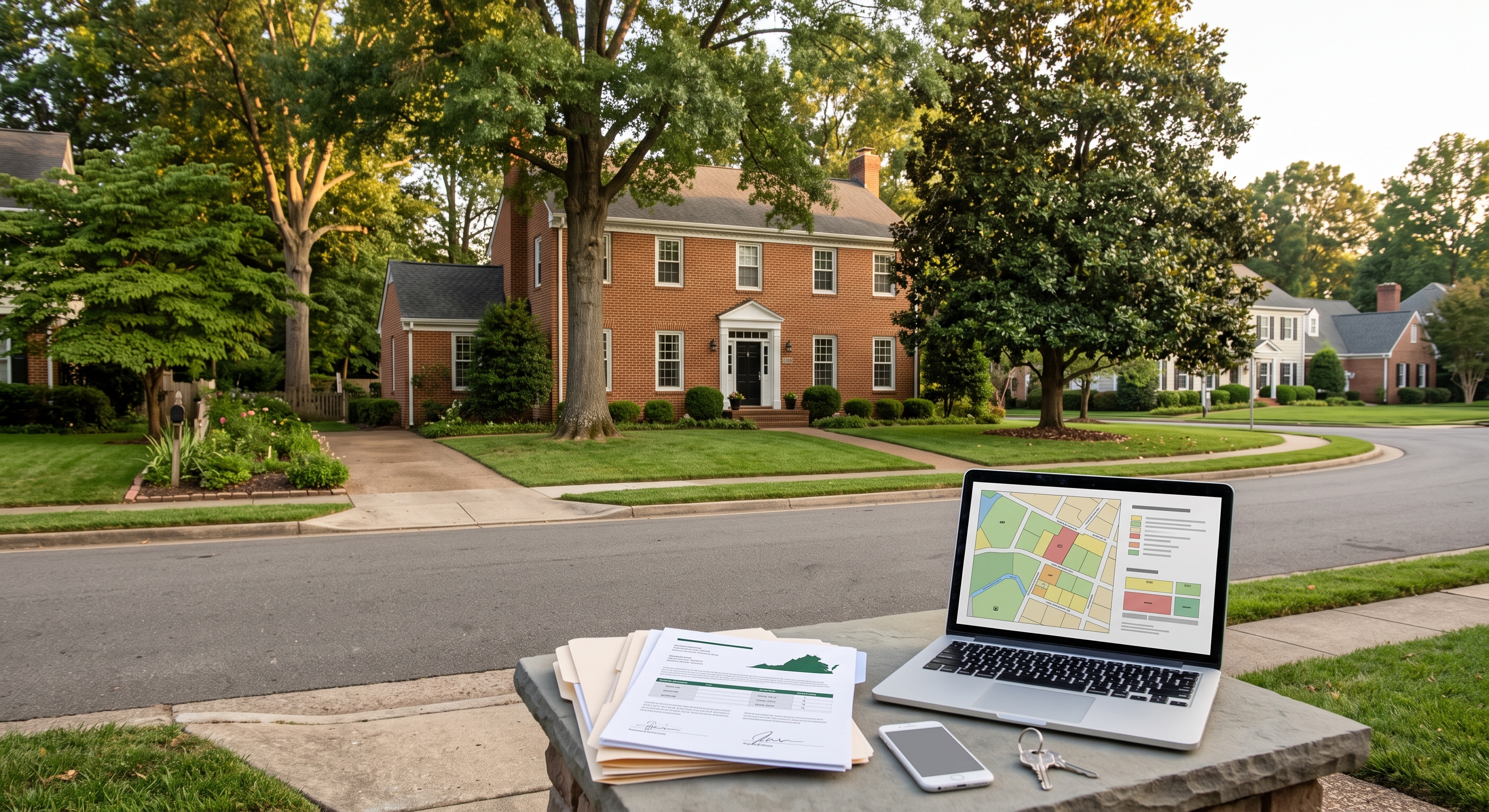
Owning a Richmond rental while living in another state is entirely workable, but the property still needs local execution. Maintenance, access, leasing, inspections, resident communication, legal requirements, and emergencies all happen where the property is located, not where the owner lives.
The strongest remote-ownership setup does not depend on the owner being able to drive across town. PMI James River's owner resources and management systems are built around clear records, local coordination, defined decision authority, and enough visibility for the owner to stay informed without personally carrying every task.
For many out-of-state owners, professional local management is the more durable operating model. Self-management remains possible, but distance makes weak systems easier to expose and harder to work around.
Key Takeaways
- An out-of-state owner can keep a Richmond rental, but the property needs a local operating system that does not depend on the owner's physical presence.
- Virginia has specific requirements that can apply to nonresident rental owners, including resident-agent and tax-registration obligations.
- Maintenance authority, access, records, reserves, and vendor coordination should be established before a problem occurs.
- Remote ownership does not change the fundamentals of pricing or screening. It makes dependable local execution more important.
- Vacancy, inheritance, relocation, and a change of property managers create distinct remote-owner problems that should be handled deliberately.
In This Guide
- Can A Richmond Rental Be Managed From Another State?
- Set Up Virginia Requirements Before Distance Becomes A Problem
- Build A Local Operating System
- Keep Leasing, Screening, And Maintenance Local
- Plan For Vacancy And Ownership Transitions
- Know When Professional Management Makes Sense
Can A Richmond Rental Be Managed From Another State?
Yes. The real test is whether ordinary rental operations can continue when the owner is hundreds of miles away, traveling, busy, or temporarily unavailable.
A remote owner does not need to personally perform every task. The property does need a dependable way to receive issues, determine urgency, provide access, authorize work, communicate with residents, document decisions, track money, and escalate the relatively small number of decisions that genuinely require owner judgment.
That distinction matters even for one rental home. One property still has a lease, payment records, maintenance requests, renewal dates, vendor needs, property-condition issues, legal requirements, and occasional emergencies. Distance does not create those responsibilities. It simply removes the owner's ability to solve a weak process by showing up personally.
Owners who are relocating but have already decided to retain the property should establish those systems before the move. Our guide to preparing a Richmond home as a rental before leaving Virginia focuses specifically on that transition.
Set Up Virginia Requirements Before Distance Becomes A Problem
Remote ownership also has a Virginia compliance layer. Two requirements deserve particular attention because they are easy to overlook when an owner moves away after already owning the property.
First, Virginia Code § 55.1-1211 requires qualifying nonresident residential property owners to appoint and continuously maintain a Virginia resident agent for service of legal process and notices. The lease must contain the required agent information. The details, including the distinction between a resident agent and other types of agents, are addressed in our guide to Virginia resident-agent requirements for rental owners.
Second, Virginia Tax has registration requirements for certain nonresident owners receiving Virginia rental income. When a broker or property management firm is involved, the state's Form R-5 process can also come into play. Our Virginia Form R-5 guide for nonresident rental owners covers that process in detail.
These requirements are good examples of why remote ownership should be designed around the property's location. The owner may live in North Carolina, Florida, California, or overseas, but a Richmond rental remains subject to the Virginia and local rules that govern the property.
Build A Local Operating System
The most important remote-management question is simple: what happens when something needs to occur physically at the house?
The answer should be established before the need appears. A workable system normally addresses:
- Who has authorized access to the property and how keys, remotes, codes, or lockboxes are controlled.
- Who receives resident maintenance reports and determines whether the issue is routine, urgent, or an emergency.
- Which vendors can be called and what happens when the preferred vendor is unavailable.
- How much routine work can proceed before another owner approval is required.
- What reserve funds are available so an approved repair does not stall while money is moved.
- How photographs, invoices, diagnoses, inspection reports, leases, notices, and resident communications are retained.
- Which decisions require the owner's involvement and which are part of routine property operations.
PMI James River's rental maintenance operations framework uses a reserve, repair-authorization limit, property-specific instructions, vendor coordination, and documented closeout so the owner does not have to become the dispatcher for every work order.
This matters especially during Richmond's peak heating and cooling periods. A failed system can require diagnosis, access, vendor scheduling, approval, and follow-up within a compressed window. A remote owner should be making the meaningful repair or replacement decision, not trying to build the entire response process after the resident reports that the system has stopped working.
Keep Leasing, Screening, And Maintenance Local
Distance should not change the standards used to price or screen a rental. It should change how reliably those standards are executed.
Rental pricing should still begin with the property's real competitive set. Richmond City, Henrico, Chesterfield, and Hanover do not operate as one uniform rental market, and the owner's mortgage or prior rent does not establish current market value. A property-specific Richmond rental analysis should establish a supportable range and a deliberate launch strategy.
Screening also needs a repeatable process rather than remote judgment calls made from application summaries. Identity, income, rental history, credit, criminal-history information when lawfully considered, fraud indicators, and any exceptions should move through a consistent documented workflow. The broader tenant-screening guide for rental owners explains that process.
Technology helps with both functions. Online applications, digital leases, portals, electronic payments, photographs, inspection reports, and owner statements can give an owner excellent visibility from another state. They do not eliminate the need for someone local when a lock needs to be opened, a repair needs to be verified, a property needs to be inspected, or a listing needs physical attention.
Plan For Vacancy And Ownership Transitions
Remote ownership becomes most demanding when the property's status changes. Three situations deserve their own plans.
Vacancy. An empty rental still has utilities, weather exposure, security, maintenance, showing access, and carrying costs. The owner also needs to know whether weak leasing results are caused by price, condition, presentation, access, or another part of the prospect funnel. Our guide to managing a vacant Richmond rental from out of state focuses on that physical-oversight problem.
Inheritance. An inherited property can arrive with a resident, a lease, a security deposit, an existing property manager, incomplete records, deferred maintenance, or no current operating system at all. The first job is to establish authority and stabilize what already exists before making a larger hold-or-sell decision. The out-of-state inherited-rental guide walks through that sequence.
Management transition. A remote owner changing property managers should avoid creating a gap between the old system and the new one. The lease, ledgers, resident funds, keys, access devices, maintenance history, inspection records, open work orders, owner instructions, and resident communication all need a planned handoff. Our guide to switching Richmond property managers from out of state covers that transition.
Know When Professional Management Makes Sense
A Richmond rental can be self-managed from another state when the owner has strong systems, reliable local coverage, and wants the operating role. The distance itself does not make self-management impossible.
It does make the cost of weak systems more visible. If routine work repeatedly depends on the owner's personal availability, local friends, one informal vendor, scattered records, or last-minute travel, the owner is compensating for missing infrastructure.
For most remote owners who do not want property management to become a second job, professional local management is the cleaner default. The owner can retain authority over investment strategy, major expenses, improvements, and other material decisions while the property manager handles routine leasing, resident communication, maintenance coordination, inspections, accounting, and documentation.
The existing guide to when a Richmond landlord should hire a property manager instead of self-managing goes deeper into that operating decision.
Frequently Asked Questions
Can I Own A Virginia Rental Property If I Live In Another State?
Yes. Living outside Virginia does not prevent an owner from keeping a Richmond-area rental. The owner still needs to comply with Virginia requirements and create reliable local coverage for the property's physical and operational needs.
Does An Out-of-State Virginia Landlord Need A Resident Agent?
Virginia Code § 55.1-1211 requires qualifying nonresident residential property owners to maintain a Virginia resident agent and include the required designation in the lease. Because ownership structure matters, owners should review the resident-agent requirements that apply to their specific ownership arrangement.
Is A Resident Agent The Same As A Property Manager?
No. The resident-agent requirement concerns receiving legal process and notices for a qualifying nonresident owner. Property management is the broader operating function that can include leasing, rent collection, maintenance, inspections, resident communication, accounting, and other services agreed to in the management agreement.
Can An Out-of-State Owner Self-Manage One Richmond Rental?
It is possible. The better question is whether maintenance, access, leasing, records, deadlines, resident communication, and emergency response can continue reliably when the owner is unavailable. Distance makes that systems test more important even when only one property is involved.
Remote Ownership Works Best When The System Is Local
A Richmond rental does not need its owner to live nearby. It does need reliable people, processes, records, and decision authority where the property is located.
The strongest remote owners separate investment decisions from daily operations. They know how the property is performing and stay involved when their judgment matters, but routine work does not wait for them to become locally available.
Next Step: Owners in Richmond City, Henrico, Chesterfield, and Hanover who want to keep a rental while living elsewhere can use PMI James River's Richmond owner resources to evaluate the property, current management setup, and next operating steps.
Published: August 24, 2026