
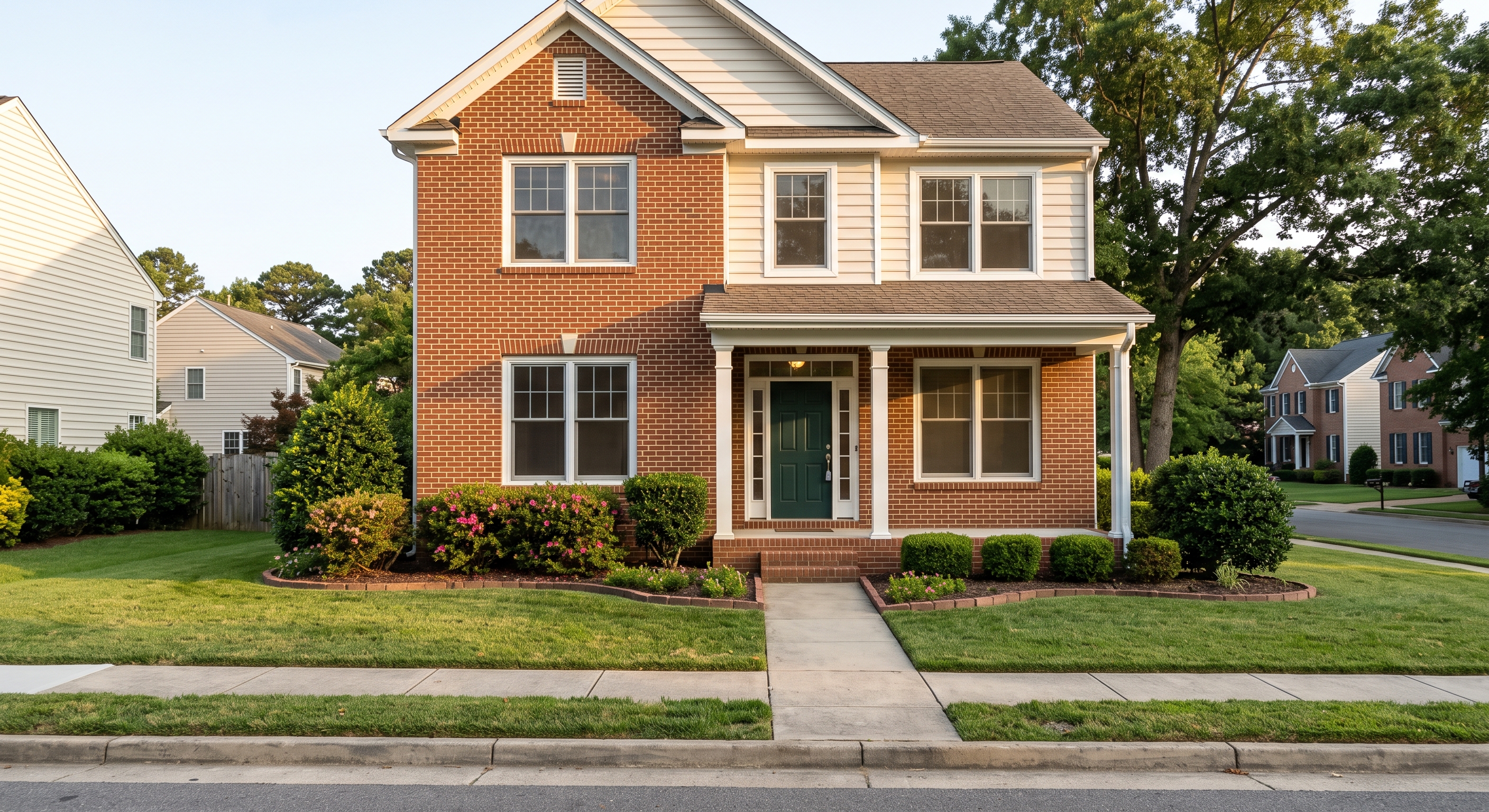
A vacant Richmond rental needs two systems at the same time: one to get the property leased and another to protect the physical home while nobody lives there. An out-of-state owner cannot rely on passing the house occasionally to discover a leak, access problem, storm issue, failed system, or deterioration between showings.
PMI James River's Owner Resources are designed around local execution and documented property oversight. The broader out-of-state landlord guide for Richmond explains the full remote-management system; this article focuses specifically on the period when the rental is empty.
Key Takeaways
- A vacant rental still needs physical oversight even when the listing and owner communication are fully digital.
- Separate the question of why the property is not leasing from the question of how the empty property is being protected.
- Local access, utilities, maintenance response, condition checks, and security should have named responsibility.
- A prolonged vacancy may eventually need a different monitoring plan from ordinary turnover and leasing activity.
Treat Vacancy As Both A Leasing Problem And A Property Problem
An empty rental can look quiet while two different risks are developing.
The first is financial. Every additional vacant day increases carrying cost and postpones rental income. The second is physical. Nobody is using the plumbing, noticing a ceiling stain, reporting an HVAC problem, checking whether a tree limb fell, or telling the owner that a door no longer secured correctly.
Those problems require different responses. A price reduction will not detect a leak. A property inspection will not fix an unsupported asking rent.
Remote owners should therefore track both the leasing funnel and the physical property rather than treating "vacant" as one condition.
Make Local Property Oversight Explicit
A vacant property should have a defined person or company responsible for physical access and routine observation. That responsibility should not depend on a neighbor being available or the owner happening to visit Richmond.
The operating plan should address:
- who has controlled access to the property;
- how often condition checks are appropriate for the property's circumstances;
- which utilities need to remain active for maintenance, climate control, cleaning, or showings;
- who responds if a vendor, utility company, association, or showing service needs access;
- how exterior conditions, weather events, moisture, HVAC, plumbing, and other property-specific risks are monitored; and
- how each visit or material condition issue is documented for the owner.
Security equipment can help, but it does not replace physical oversight. Exterior cameras or other vacancy technology can provide useful visibility when lawfully configured, but they cannot diagnose a plumbing leak inside a cabinet, confirm that an HVAC repair worked, or determine why a room suddenly smells damp.
Diagnose Why The Rental Is Still Vacant
Once the property is on the market, actual prospect behavior becomes evidence.
Very few inquiries may point toward pricing, listing presentation, exposure, or the overall offer. Inquiries without completed showings can expose scheduling or access friction. Showings without applications can point toward condition, layout, price, restrictions, or lease terms. Applications that repeatedly fail screening may indicate that the total housing cost is out of alignment with the qualified applicant pool.
The existing Richmond vacancy diagnostic goes deeper into that funnel. The important remote-owner lesson is not to let distance turn every weak leasing result into the same reaction.
A remote owner should receive enough information to make a deliberate pricing or property decision without personally reconstructing every inquiry and showing.
Keep Turnover And Maintenance Moving
Vacancy is also the easiest time to correct work that becomes harder after move-in. Cleaning, paint, flooring, landscaping, appliance issues, deferred repairs, hardware, lighting, and other unfinished details can affect both listing presentation and early resident experience.
The Richmond rent-ready baseline helps separate work that improves the property's actual readiness from unnecessary renovation.
For a remote owner, the bigger operating issue is coordination. A contractor still needs scope, access, approval, follow-up, and confirmation that the work was completed. PMI James River's rental maintenance operations framework explains why repair authorization and closeout documentation matter even more when the owner cannot verify work personally.
Vacancy should not create an indefinite approval loop in which every small task waits for another message. The owner should establish spending authority and decision points before turnover work begins.
Know When Ordinary Vacancy Oversight Is No Longer Enough
A normal leasing vacancy and an intentionally unoccupied property are not always the same management problem.
During ordinary turnover and leasing, the property may have contractors, cleaners, photographers, showing traffic, regular listing review, and active management attention. If leasing is paused, the owner is traveling for an extended period, the property is being held for a later decision, or the home remains vacant beyond the normal leasing cycle, the physical-monitoring need can become more important than the listing process.
That is where a separate Richmond Home Watch and estate-management plan can make sense. The service is designed for unoccupied homes, second properties, inherited estates, and other situations where somebody local needs to monitor and maintain the property while the owner is away.
The distinction is useful because Home Watch should not become a substitute for fixing a bad rental listing, and a leasing workflow should not be assumed to provide indefinite vacant-home monitoring after normal rental activity has stopped.
Frequently Asked Questions
How Often Should A Vacant Richmond Rental Be Checked?
There is no single schedule that fits every property. The appropriate frequency depends on property condition, weather, utilities, active work, showing activity, insurance requirements, and how long the home is expected to remain empty. What matters operationally is that the responsibility and cadence are defined rather than assumed.
Should Utilities Stay On In A Vacant Rental?
Often some utilities need to remain active for climate control, cleaning, repairs, inspections, or showings, but the correct setup depends on the property and season. Utility decisions should be made intentionally as part of the vacancy plan rather than after a contractor arrives and discovers that needed service is unavailable.
Should An Owner Cut Rent Because A Property Has Been Vacant?
Not automatically. Review where prospects are dropping out of the leasing process first. Price may be the problem, but presentation, condition, access, timing, restrictions, or listing quality can produce similar symptoms.
A Vacant Property Still Needs An Operator
An empty Richmond rental is not on pause. The property is still aging, exposed to weather, consuming carrying costs, and competing for a resident.
Remote owners get better control by assigning physical oversight and leasing oversight separately, then making sure the two systems share information. That keeps the owner focused on decisions instead of trying to inspect, diagnose, schedule, and verify everything from another state.
Published: September 2, 2026