
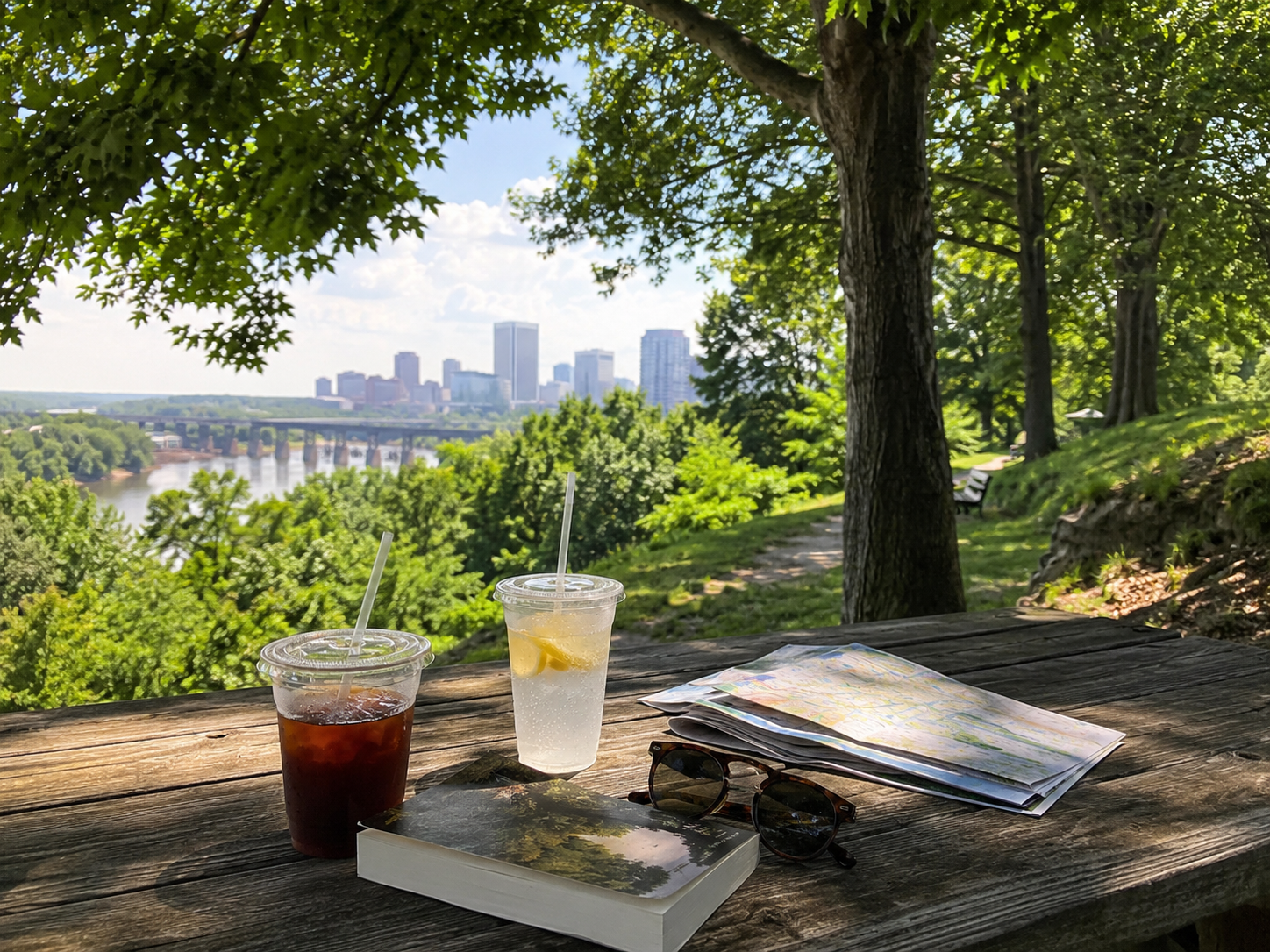
Richmond summer has a personality. The air gets thick, the sidewalk throws heat back at you, and the best part of the day often lands early in the morning or after dinner. If you rent your home, summer is not just about the thermostat. It is about timing, shade, small habits, easy places to cool off, and knowing when a hot day is just a hot day versus when something at the home needs attention.
This is the lighter companion to our more detailed guide to why a Richmond rental can feel hot in summer, which gets into AC performance, humidity, thermostat settings, and filters. It also fits inside our year-round seasonal maintenance guide for Richmond renters. This guide stays focused on the practical side of a hot Richmond day: what can you do to make summer feel better?
Build Your Home Base Before the Afternoon Heat Hits
The easiest summer wins happen before the house is already hot. A little morning setup can make the afternoon much easier.
- Close blinds before the sun is blasting the glass. This matters most on windows with strong afternoon light. Blocking the sun before the room heats up is easier than trying to recover later.
- Put fans where people actually sit. Fans cool people, not empty rooms, so move one to the couch, desk, kitchen, or bedroom where it will help. The Department of Energy's summer guidance also recommends turning fans off when you leave the room.
- Keep cooking light on the hottest days. The oven and long stovetop sessions can add more heat to the kitchen. Cold meals, the air fryer, leftovers, or grilling where your property rules allow it can help.
- Do the sweaty chores early. Laundry, vacuuming, trash runs, and outdoor cleanup are all easier before the day turns sticky.
Make a Heat Escape Plan
Some days are not worth wrestling with from inside. Leaving for a few hours can give you a reset somewhere cooler before you come back after the sun drops.
Richmond has plenty of low-cost ways to do that. The Richmond Public Library lists locations, hours, public computers, and free Wi-Fi, and the Virginia Museum of Fine Arts visit page is another indoor option to check before heading out. Coffee shops, community centers, bookstores, and other public indoor spaces can also give you somewhere to spend part of a hot afternoon.
Use Richmond Summer Timing to Your Advantage
The same place can feel completely different depending on the hour. Build summer days around the cooler edges when you can:
- Handle walks, errands, yard work, and dog walks earlier in the day.
- Keep indoor work, chores, or rest for the hottest part of the afternoon.
- Save outdoor time for later when the sun is lower.
- Check current conditions before river, park, or trail plans.
For river days, check James River Watch first. Its map includes current monitoring information, and the James River Association notes that conditions can change after rain even between weekly summer bacteria samples. For heat, storms, and other weather hazards, check the National Weather Service Wakefield office before outdoor plans.
Summer storms deserve their own plan. Our Storm Readiness for Richmond Renters guide covers what to do before, during, and after severe weather, including water intrusion, power outages, and loose outdoor items.
Keep Summer From Getting Gross
Heat and humidity can make ordinary household messes more noticeable. A few simple habits help.
- Take kitchen trash out before it becomes an event. Food scraps are much less pleasant after sitting in a warm kitchen.
- Wipe sticky counters and spills the same day. It is easier than dealing with pests after they find a food source.
- Empty standing water after rain. Planter saucers, buckets, toys, tarps, and grill covers can all hold it.
- Bring cushions and small outdoor items in before storms. It is easier than hunting them down after a strong gust.
- Let damp towels and clothes dry fully. Summer humidity already makes drying slower.
Know When It Is a Home Issue
This guide is not meant to turn every summer annoyance into a maintenance ticket. Still, something that has changed, stopped working, started leaking, or begun causing damage deserves a closer look. Our Resident Maintenance hub has troubleshooting and emergency guidance. When service is needed, submit a request through your resident portal. For broader account and resident tools, use the Resident Resources page.
Good examples include water leaking inside, an AC system blowing warm air after basic checks, an electrical burning smell, storm damage, continuing pest activity, or a window or door letting water in.
For cooling issues, useful details can make the next step much clearer. Send a photo of the thermostat with the temperature numbers visible, note what time the problem started, say whether the system is blowing cool air, warm air, or no air, and mention whether it improves after sunset. That gives us more to work with before a vendor is sent.
If there is immediate danger to life or safety, call 911 first. For active flooding, sewage backup, a gas smell, electrical sparking, or storm damage that is still affecting the home, use the emergency maintenance process right away.
Summer Renter FAQ
What Is the Fastest Way to Make a Hot Rental Feel Better?
Start with shade and air movement. Close the blinds where the sun hits the glass, move a fan into the room you are actually using, avoid adding unnecessary indoor heat, and give the home time to recover later in the day. For AC-specific troubleshooting, use our hot Richmond rental guide.
Where Can Renters Go to Cool Off in Richmond?
Libraries, museums, coffee shops, community centers, and bookstores are all worth checking. Outdoor spots usually work better earlier or later in the day, while the middle of a hot afternoon is often easier indoors.
Should I Go to the James River on a Hot Day?
The river can be a great Richmond reset, but check conditions first. River levels, bacteria readings, recent rain, and advisories can all change the answer, so James River Watch is a useful starting point before swimming, paddling, or planning an outing.
When Should I Submit a Maintenance Request During Summer?
Submit one when something at the home appears to have changed, stopped working, started leaking, or could cause damage. For a comfort issue, include useful details rather than only saying it is hot. Photos, timing, thermostat readings, and what you already tried make the request much easier to evaluate.
Make Summer Feel Easier
The best Richmond summer strategy is a stack of small choices: shade before the heat builds, lighter cooking on brutal days, morning errands, indoor escapes, a quick river check before river plans, and a clear maintenance request when something at the home actually changes. For the broader weather-and-home framework, keep our Seasonal Maintenance for Richmond Renters guide handy. For local-life ideas beyond the weather, see our guide to living well in a Richmond rental.
Published: May 26, 2026